


Spring Allergies and Plant Safety: Tips for a Safe Spring
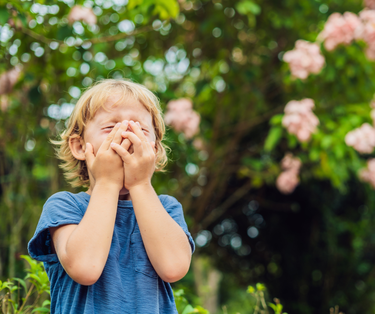 Spring brings warmer weather, blooming flowers, and more time outdoors. It also brings seasonal allergies and potential hazards like poisonous plants and wild mushrooms. As children spend more time exploring, knowing what to watch for can help prevent accidental poisonings and keep your family safe.
Spring Plant Safety
Young children are naturally curious and may explore plants by touching or tasting them. Some plants can cause symptoms if leaves, flowers, berries, seeds, or other parts are swallowed. Others may irritate the skin, mouth, or eyes.
Plant Safety Tips for Parents and Families
Follow these simple safety tips to help prevent accidental plant poisoning:
- Know your plants. Learn the names of plants growing in your home, garden, and yard.
- Teach children not to eat plants. Remind them never to taste unfamiliar leaves, flowers, berries, or seeds.
- Keep harmful plants out of reach. Store poisonous plants, flower bulbs, seeds, and plant food away from children.
- Check outdoor play areas. Look for unfamiliar plants and wild mushrooms before children play outside.
- Avoid touching unknown plants. Some plants can irritate your skin just by touching them, even if you don't eat them.
- Wash hands after outdoor activities. This is especially important after gardening or handling plants.
- Store garden products safely. Keep fertilizers, pesticides, and other chemicals in their original containers and out of reach.
Remember, even plants considered nontoxic can cause stomach upset or irritation if swallowed. Never assume a plant is safe just because birds or other animals eat it.
What Should You Do if a Child Eats a Poisonous Plant?
If a child eats or chews an unfamiliar plant, flower, berry, seed, or wild mushroom, take action right away.
- Remove any remaining plant material from the child's mouth.
- Do not make the child vomit.
- Call the Iowa Poison Control Center at 1-800-222-1222 for guidance.
- If possible, keep a sample of the plant or take a clear photo to help with identification.
A poison specialist may ask what part of the plant was eaten, how much was swallowed, and when it happened.
Do not wait for symptoms to appear. Some poisonous plants and mushrooms can cause serious health problems even when a person feels fine at first.
If someone collapses, has a seizure, has trouble breathing, or cannot be awakened, call 911 immediately.
Poison Ivy: Identification, Prevention, and Treatment
Poison ivy is a common outdoor hazard that can cause uncomfortable skin reactions. It grows in yards, wooded areas, parks, and along trails throughout Iowa.
Poison ivy contains an oil called urushiol that can cause an allergic skin reaction when you touch the plant. This reaction often leads to an itchy, red, or blistering rash.
What Does Poison Ivy Look Like?
Poison ivy usually grows as a vine or small shrub with groups of three leaflets. The leaves may have smooth or uneven edges and can change color throughout the year.
A helpful reminder is: "Leaves of three, let it be." However, not every plant with three leaves is poison ivy. If you cannot identify a plant, avoid touching it.
How to Prevent Poison Ivy Exposure
You can reduce the risk of developing a poison ivy rash by taking a few precautions:
- Wear long sleeves, long pants, and closed-toe shoes in wooded or overgrown areas.
- Teach children how to recognize and avoid poison ivy.
- Stay on cleared trails when hiking or exploring.
- Wash exposed skin with soap and water as soon as possible after contact.
- Clean clothing, shoes, gardening tools, and other items that may have touched the plant.
- Never burn poison ivy, as breathing in smoke containing urushiol can cause serious reactions.
Urushiol can also stick to pet fur, so use care when handling animals that have been in areas where poison ivy grows.
Poison Ivy Treatment: How to Relieve the Rash
If you think you have touched poison ivy, wash your skin gently with soap and water as soon as possible. Removing the oil quickly may help prevent or reduce the rash.
If a mild poison ivy rash develops, these steps may help relieve itching:
- Apply a cool, wet compress to the affected skin.
- Use calamine lotion or hydrocortisone cream as directed.
- Take a cool shower or an oatmeal bath to soothe irritation.
- Avoid scratching or breaking blisters.
- Keep the affected area clean.
Seek medical attention for severe swelling, a widespread rash, signs of infection, or a rash involving sensitive areas such as the eyes or mouth. If you have trouble breathing or swallowing, seek emergency medical care right away.
Is Poison Ivy Contagious?
No. A poison ivy rash is not contagious, and touching the rash or its blister fluid will not spread it to another person.
However, urushiol left on clothing, skin, tools, or other objects can cause new allergic reactions. Washing these items helps prevent further exposure.
How Long Does Poison Ivy Last?
A poison ivy rash usually goes away within one to three weeks, but some cases may take longer to heal.
The length of the reaction depends on the person's sensitivity and the amount of urushiol that touched the skin. If symptoms are severe, continue to get worse, or do not improve, contact a healthcare provider.
Spring Allergies: Common Symptoms and Pollen Exposure
Spring allergy season begins when trees and other plants release pollen into the air. For people with seasonal allergies, breathing in pollen can trigger uncomfortable symptoms.
Allergies in the spring are especially common when tree pollen levels rise. Grass pollen may become a bigger concern as temperatures warm.
What Are Common Springtime Allergy Symptoms?
Common spring allergy symptoms include:
- Sneezing
- Runny or stuffy nose
- Itchy or watery eyes
- Itchy nose or throat
- Coughing
- Nasal congestion
These symptoms happen when the immune system reacts to pollen or another allergen.
Unlike a plant poisoning, seasonal allergies are usually caused by breathing in airborne pollen rather than swallowing or touching a poisonous plant.
Which Spring Plants Cause the Most Allergies?
Not all blooming plants cause the same amount of pollen exposure.
Many colorful spring flowers are pollinated by insects. Their pollen is often heavier and less likely to travel through the air. Wind-pollinated trees and grasses release lighter pollen that can travel greater distances and trigger allergy symptoms.
Common spring pollen sources in Iowa include:
- Oak
- Maple
- Elm
- Birch
- Ash
- Cedar
- Juniper
- Hickory
- Willow
- Poplar
- Boxelder
How to Reduce Pollen Exposure During Spring Allergy Season
You do not have to avoid the outdoors completely to manage spring allergies. A few changes to your daily routine may help reduce symptoms.
- Check the daily pollen count. Plan outdoor activities around days when local pollen levels are lower.
- Keep windows closed. Limit the amount of pollen entering your home or vehicle when counts are high.
- Wash after outdoor activities. Encourage children to wash their hands and faces after playing outside.
- Change clothes. Pollen can collect on clothing during outdoor activities.
- Shower before bedtime. Washing your hair and skin can help remove pollen after spending time outside.
- Avoid rubbing your eyes. Pollen on your hands can make eye irritation worse.
If allergy symptoms continue, affect sleep, or interfere with daily activities, talk with a healthcare provider about treatment options and allergy relief.
Use Allergy Medicine Safely
During spring allergy season, many families use antihistamines, nasal sprays, and other allergy medicines to manage symptoms.
Although these medications can provide allergy relief when used correctly, taking too much or combining medicines with the same active ingredients can lead to accidental poisoning.
Children are especially at risk if medication is left within reach or the wrong dose is given.
Allergy Medicine Safety Tips
Keep your family safe when using allergy medications:
- Read the label every time. Follow the recommended dose and age instructions.
- Use the correct measuring device. Always use the dosing syringe, cup, or other device that comes with liquid medicine.
- Check active ingredients. Avoid giving multiple medicines with the same ingredients unless directed by a healthcare provider.
- Keep medicine in its original container. This helps prevent confusion and dosing errors.
- Store medications safely. Keep all medicines up, away, and out of sight of children.
- Put medicine away after each use. Do not leave bottles or tablets on counters or tables.
- Never call medicine candy. Teach children that medicine should only be taken with help from a trusted adult.
For more child safety tips, learn about medication safety and poison-proofing your home.
If someone takes too much allergy medicine, takes another person's medication, or receives an incorrect dose, call the Iowa Poison Control Center for poison help right away.
Frequently Asked Questions About Spring Allergies and Plant Safety
Can touching a poisonous plant make you sick?
Yes. Some poisonous plants contain oils, sap, or other substances that can irritate the skin. Poison ivy is a common example. Other plants may cause burning, itching, or irritation when touched. If you are unsure about a plant exposure, contact the Iowa Poison Control Center for guidance.
Are spring flowers poisonous to children?
Some spring flowers and bulbs can be harmful if swallowed. The risk depends on the type of plant, the part eaten, and the amount consumed. Keep unfamiliar plants and bulbs away from young children, and contact the Iowa Poison Control Center if an accidental ingestion occurs.
What is the difference between spring allergies and plant poisoning?
Spring allergies typically happen when the immune system reacts to pollen in the air. Symptoms often include sneezing, itchy eyes, and congestion.
Plant poisoning happens when someone swallows or is otherwise exposed to a harmful plant substance. Symptoms vary depending on the plant and may include stomach upset, mouth irritation, or more serious effects.
Can a wild mushroom in my yard be poisonous?
Yes. Some wild mushrooms contain dangerous toxins, and poisonous mushrooms can look similar to edible varieties. Never allow children to eat wild mushrooms. If someone swallows any part of an unidentified wild mushroom, contact the Iowa Poison Control Center immediately.
When should I call Iowa Poison Control Center?
Call our team of experts whenever you suspect someone has swallowed a poisonous plant, eaten an unknown mushroom, taken too much medicine, or experienced a potentially harmful chemical exposure.
You do not need to wait until symptoms appear. Our specialists can help determine the appropriate next steps based on the exposure.
Have a Spring Plant or Poison Safety Question? We're Here to Help.
A little preparation can help your family enjoy the outdoors with greater peace of mind. Still, accidents can happen, even when you take precautions.
If you have questions about poisonous plants, poison ivy, wild mushrooms, or an accidental medication exposure, the Iowa Poison Control Center is here to help.
Our poison specialists provide free, confidential guidance 24 hours a day, 7 days a week, for children and adults throughout Iowa.
Call 1-800-222-1222 for expert poison help. You never have to wait for symptoms to get the answers you need.